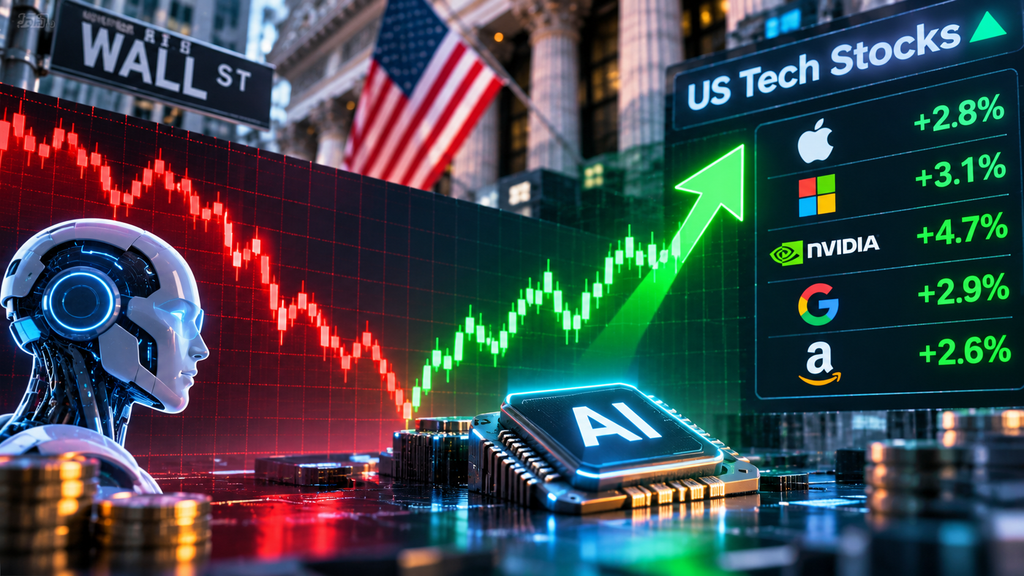
After a dramatic sell-off and trillions of dollars lost, U.S. technology stocks are making a comeback, and investors are re-evaluating concerns that political shifts may slow growth in America’s artificial intelligence revolution.
Major technology stocks rebounded to end the day up Friday, after a dramatic drop on Thursday. Chipmakers, such as Nvidia, AMD, Intel and Micron, were largely responsible for much of the bounce as the technology industry struggled its way back from one of the worst trading sessions of the past few months.
The rebound doesn’t necessarily equate to a return of confidence in AI in the market, though. A big question on investors’ minds is if the heavy investment in AI infrastructure will sustain itself.
One Political Shift Triggered a Massive AI Stock Sell-Off
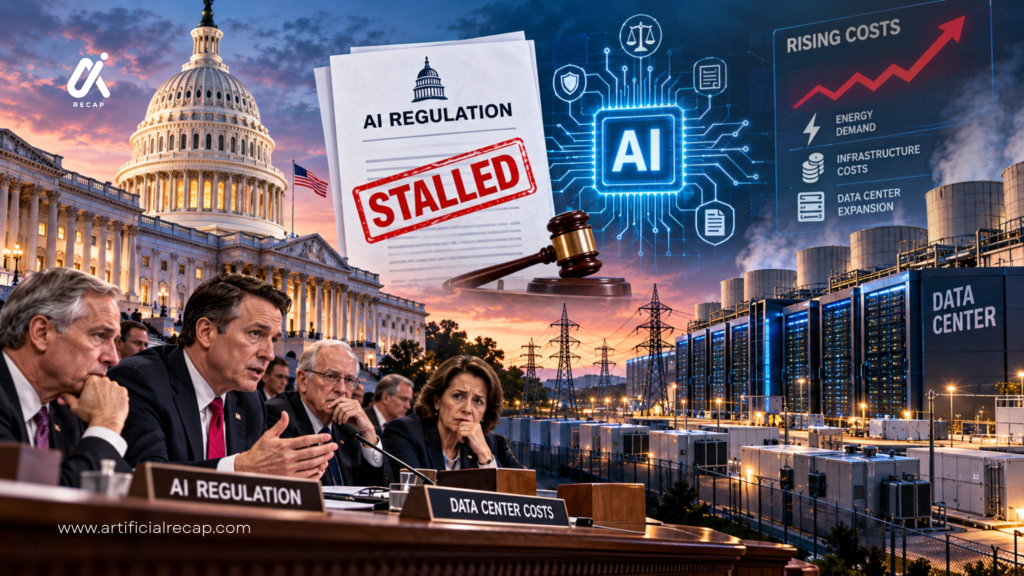
The market sell-off came after U.S. midterm election results brought in a swell of democratic wins, leading to investor apprehensions that regulations may be tightened and data center construction may come to an end. These facilities are vital to the AI industry, but as they consume more electricity, they have an increasing environmental footprint and strain on local communities, which became campaign topics. Voters also voted yes on restrictions to the growth of data centers in a few locations.
The worries led to a significant sell-off of stocks on Thursday. The Nasdaq Composite fell 5.5%, the S&P 500 dropped 4.4%, and the Dow Jones lost 1,833 points, or 3.4%. The move has cost trillions of dollars in market valuations, and the Nasdaq has fallen more than 10% from its recent highs, triggering the correction label.
Nvidia and Other Chipmakers Lead Friday’s Recovery
Companies associated with the infrastructure for artificial intelligence (AI) saw the largest recovery. Nvidia’s shares inched up 5.6% on Friday, pulling back from a 9.3% decline on Thursday, according to Reuters. The semiconductor index rose 4.6% and all three groups that outperformed it rose from 3% to 10.5%, respectively. The Nasdaq Composite rose 1.73% while the S&P 500 climbed 1%. Other data center operators, including CoreWeave, Nebius and Applied Digital, got some compensation for their losses.
But the positive news wasn’t enough to offset the declines of the previous Thursday, and several companies were still trading lower than at recent levels. The recovery is a reminder of the close linkage between expectations of spending on AI infrastructure and technology stocks. Many data center expansion fears can impact chip manufacturers, cloud computing companies, and even those that power data centers.
The Bigger Question Is Whether America’s AI Expansion Can Continue
The recent market chaos underscores the escalating expenses of AI infrastructure, a critical concern for the sector. The recent volatility in the market reflects the rising costs associated with AI infrastructure development, which is a key concern for the industry. AI technology firms are spending billions on data centers, cutting-edge chips, networking gear, and power to fuel more complex AI systems. But all these projects are costly, land-consuming, and energy-intensive, and developments pose threats to the environment and its power resources to local communities.
More stringent regulations may cause delays or stifle new data center projects, posing challenges for companies providing AI infrastructure. That doesn’t mean everyone who uses AI every day is going to see a halt to the use of popular chatbots and artificial intelligence. But such a slowdown in infrastructure growth could cause a slowdown in the growth of computing capacity, new services, or operational cost reductions by companies. What’s different, however, is that worries about the growth of the AI infrastructure do not necessarily equate to a decline in demand for AI technology.
Friday’s Recovery Has Not Removed All the Market Pressure
Despite the technology stock rally, investors continue to have economic concerns. Employers created 165,000 positions in October, much more than the expected 65,000, and unemployment dropped to 4.1%, the U.S. employment report said Friday. Improved jobs and lower inflation might make the Fed less inclined to lower rates. During Friday’s trading, traders increased the chances of a rate hike to 78% in December, according to Reuters.
An increase in interest rates could further drive up the cost of borrowing for companies and make investors wary of investments in high-priced technology stocks, putting a strain on businesses that are set to invest in major AI infrastructure projects. While some relief was felt on Friday, concerns over AI spending and political restrictions and data centre growth persist. Now investors are observing whether tech firms can sustain their investment plans in AI in the face of growing economic and political pressures.