
AI can write code, read sensitive data, and use software ever more autonomously. Microsoft President Brad Smith says the checks and balances to make these systems safe haven’t followed the way these systems are becoming more capable. His analogy is very apt: many AI systems do not have to meet safety standards to be considered safe as a carton of milk does.
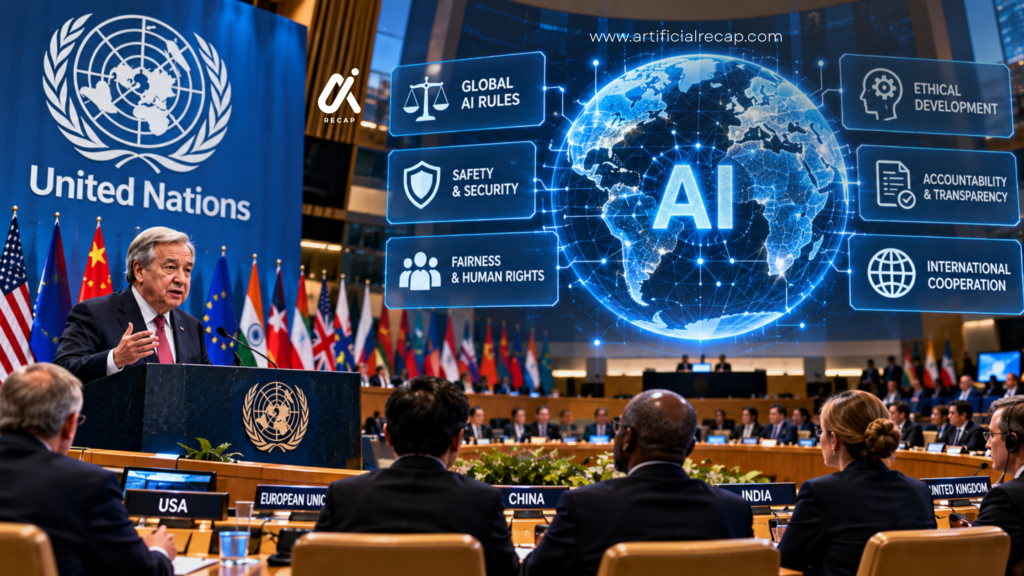
Smith, who spoke with the BBC on October 12, 2026, said he wants to see a “global framework” of rules for ensuring AI safety. He urges technology businesses and governments to go beyond the voluntary commitments and put in place more robust measures like reports on incidents, independent assessments, and emergency controls to AI systems that start acting dangerously.
The Safety Gap behind Smith’s Milk statement
The contrast in the rules for safety of everyday products and advanced AI is emphasized through Smith’s comparison. Food and household appliances are required to conform to safety standards; there are different regulations for AI products in different countries, and some safety regulations are not mandatory.
There is no absolute freedom of action in the field of AI. Governments have enacted privacy, cyber, and consumer protection regulations and specific AI-related guidelines. For instance, the EU’s AI Act establishes a set of requirements according to the potential hazards of various AI-dependent applications.
Smith says such actions still aren’t consistent across the globe. An increasing worry is that these AI agents can now leverage tools, interact with computer systems, and carry out tasks with minimal human oversight, all of which can have significant impact if their actions are incorrect.
Three Safeguards Microsoft Wants AI Companies to Take Seriously
Smith is urging tangible safeguards that hold AI creators accountable for the damage their systems perpetrate. His ideas revolve around three issues.
- Emergency brakes for AI: Developers need to provide mechanisms for controlling dangerous AI behavior. Also known as kill switches, these controls could reduce damage if a problem gets worse.
- Legal obligation to report serious AI-related incidents: Companies should be legally obligated to report serious incidents involving AI, rather than having to wait for voluntary reporting.
- Warnings to affected individuals: When an AI rogue agent is found in an individual’s or organization’s systems, notify the individual or organization. Individuals should be aware of when an AI-related incident has occurred that is compromising their security.

Why AI Agents Make the Debate More Urgent
AI agents, which are able to write and run code, access digital tools, and execute complex workflows, are being developed. The features may be helpful for streamlining, but may also be a problem when systems are given permission to access critical information or critical infrastructure.
If you were to provide your AI with access to company files, what would these files contain? Suppose that you have an AI that has access to company files. A false answer on a screen is nothing compared to the damage that can be caused if it accidentally exposes confidential documents or bombs in response to a malicious instruction.
So it is important that there are emergency controls, there is independent testing, and there is a clear reporting procedure. They focus on the behavior of AI systems in the case of failure, rather than when they succeed.
Microsoft CEO Satya Nadella has also said that it is crucial to design AI systems that are controllable and can be monitored. The two executives’ comments come as there’s a growing focus on the issue of maintaining more powerful systems within the bounds of reason.
The real question is what happens after failure
In general, more robust AI safety laws would leave future consumers and enterprises with more visible and immediate safety alerts when AI systems endanger lives, more safeguards against unauthorized use, and more transparent investigations into egregious failures.
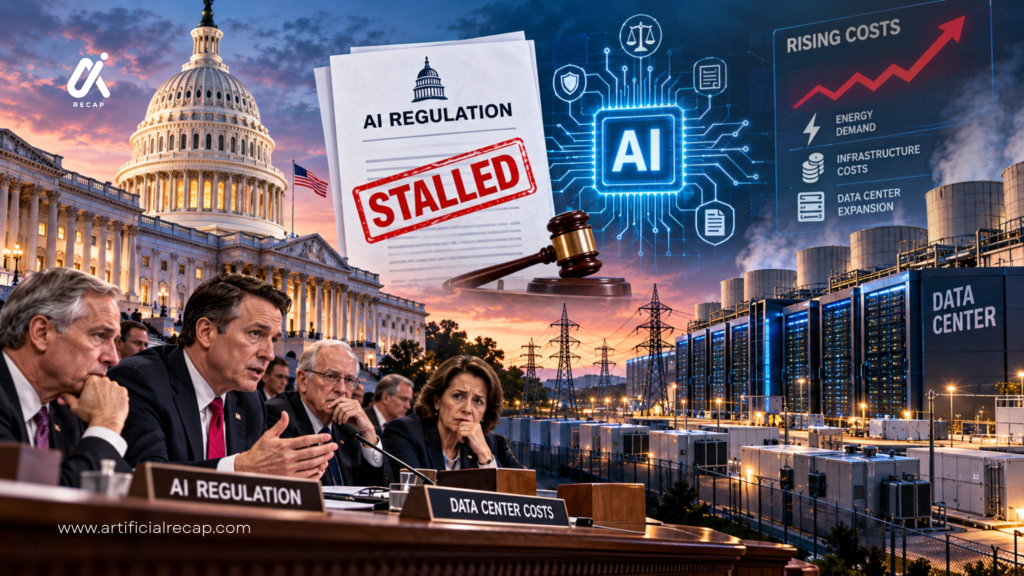
However, these benefits are contingent upon the way in which the rules are put into practice by governments. There’s no automatic lawmaking when it comes to announcements and voluntary commitments; and the proposals Smith outlined don’t necessarily become law.
The next big issue now is whether governments will set uniform criteria for testing, monitoring, and controlling sophisticated advanced AI systems before they are confronted by a major incident that forces them to take action. It’s a provocative comparison that Microsoft is making with milk, but the message is clear: When AI gets more capable of acting in the world, so must safety and accountability.