China is putting artificial intelligence even more at the heart of its economic agenda, but its new policy directives are more than just about creating increasingly powerful technology: they’re also a clear sign that China wants AI to fuel “real” industrial growth without creating reckless investments or new safety issues.
The Communist Party Central Committee and the State Council of China have released new policies to speed up the growth of the government’s “new quality productive forces” on October 9, 2026. The plan proposes 19 measures in five fields, such as scientific and technological innovation, industrial development, institutional reform, and talent development.
The rules are a sign of the AI industry, manufacturers, and technology investors to link research, commercialization, and economic productivity more tightly together. They also make clear that Beijing desires increased protection as new and advanced technologies are developed.
China Wants AI to Move Beyond the Research Lab
A key aspect of the new guidelines is to integrate AI into the core of conventional industries, not as a stand-alone technology area.
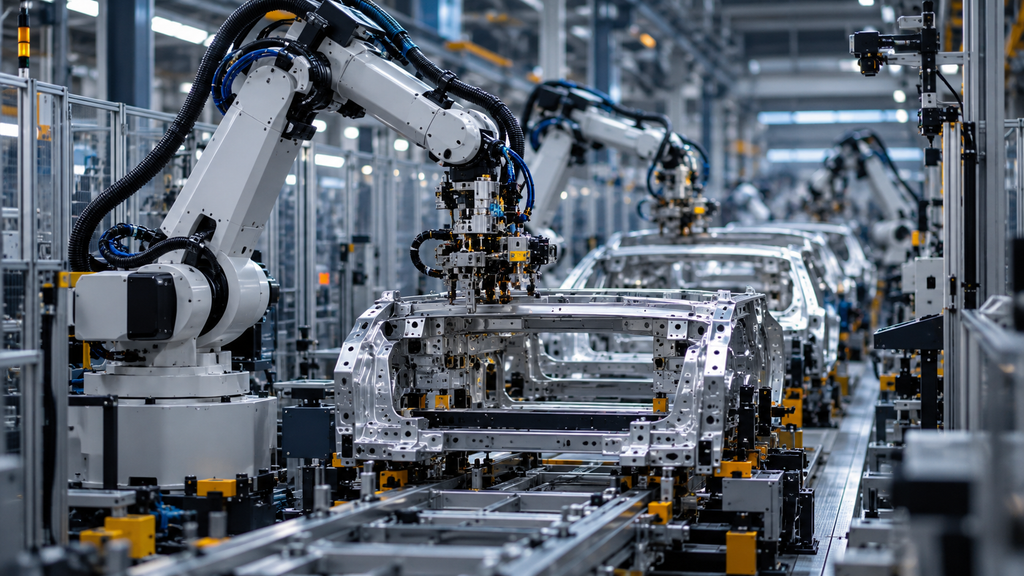
The AI Plus project aims to spur the use of AI in various sectors and promote new intelligent products such as smart electric cars, AI-powered phones, and humanoid robots. It also sets forth more robust computing infrastructure, newer algorithms and data capabilities, and pilot bases to enable the application of AI in specific industries.
This may affect factory, transport, and manufacturing companies. The business can benefit from AI systems because it can detect product defects, deal with duplicate products, analyze operational data, and enhance production planning.
Beijing Is Encouraging Innovation While Warning Against Tech Bubbles
The guidelines also cover a risk that comes with a technology’s expansion by the government: the expense of investments based on enthusiasm without adequate business opportunities.
Chinese government authorities have urged against uncoordinated or reckless investment in new industries and put its leaders on trial for “significant losses” due to blind investment. The policy also highlights the need to refrain from wasting resources in the competition between regions and businesses on the same technologies.
This puts the technology industry in China in a dilemma. Businesses are being urged to acquire new skills, but investors and local governments are also being cautioned against investing in any and all new technologies. This is especially true for AI, where enterprises can spend significant amounts of money on infrastructure, specialized hardware, and model development, only to see the resulting products fail to gain traction.
The guidelines are not to discourage China’s investment in AI. Rather, they mark a turning to technology expansion to create real economic gains for the government, not just more spending.
The Plan Reaches Beyond Artificial Intelligence
AI is a key priority, but there are also a wide range of other technologies included in the guidelines that China has deemed to be significant for its industrial growth.
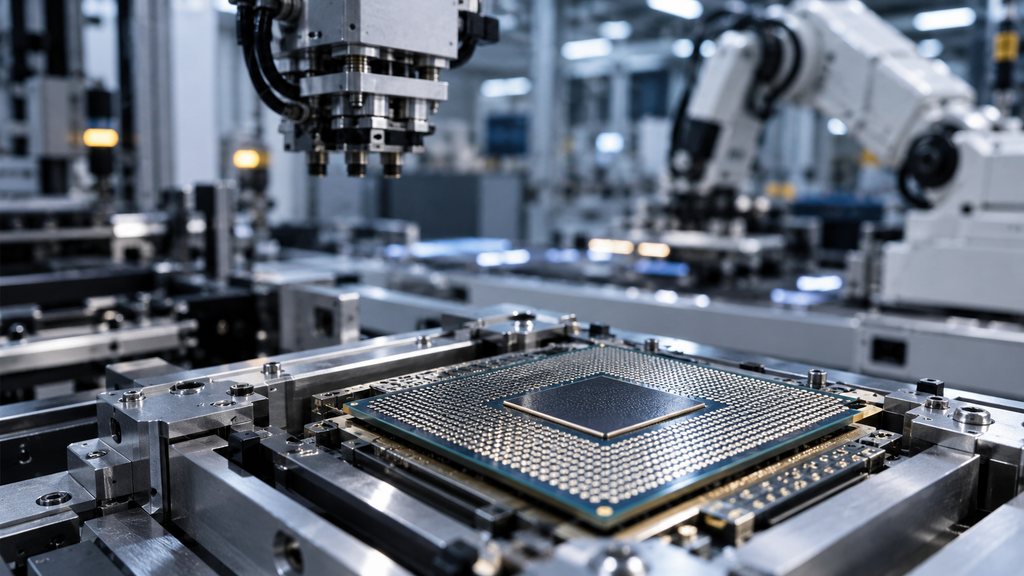
They comprise new-generation information technology, new materials, robotics, new equipment, biotechnology, aerospace, and new-generation energy technologies. It also promotes the development of new technologies like quantum technology, brain-computer interfaces, and sixth-generation mobile communications.
The government is also encouraging the digital economy and traditional manufacturing to have closer links. That’s all about increasing the amount of digital infrastructure, enabling industrial internet technologies, and optimizing the use of data in business.
To build up new industries in line with local conditions, it is suggested that the regions should develop according to their strengths and not based on any identical projects without considering the demand.
China’s Technology Ambitions Will Depend on Execution
The new guidelines follow China’s overall strategy to enhance its own technological capabilities and minimize the reliance on foreign technology. In addition, AI, semiconductors, robotics, and other high-tech industries are already priorities in the country’s 2026-2030 development plan, amid growing technological competition with the United States.
The new paper provides additional insights into Beijing’s approach to how innovation can be used to strengthen the industrial drive, yet without over-investing in wasteful projects and handling technological risks.
Whether China can create “high-level” AI systems is no longer the key question. It’s whether the nation can translate those skills into thriving, sustainable enterprises, without risks from quick growth spiraling out of control.