TikTok is ramping up efforts to combat the increasing surge of AI-generated content, introducing enhanced detection measures, increased AI education, and improved collaboration with the industry group behind Content Credentials. The aim is very straightforward: make people more aware of what they are watching, before it’s even more difficult to tell from the real thing.
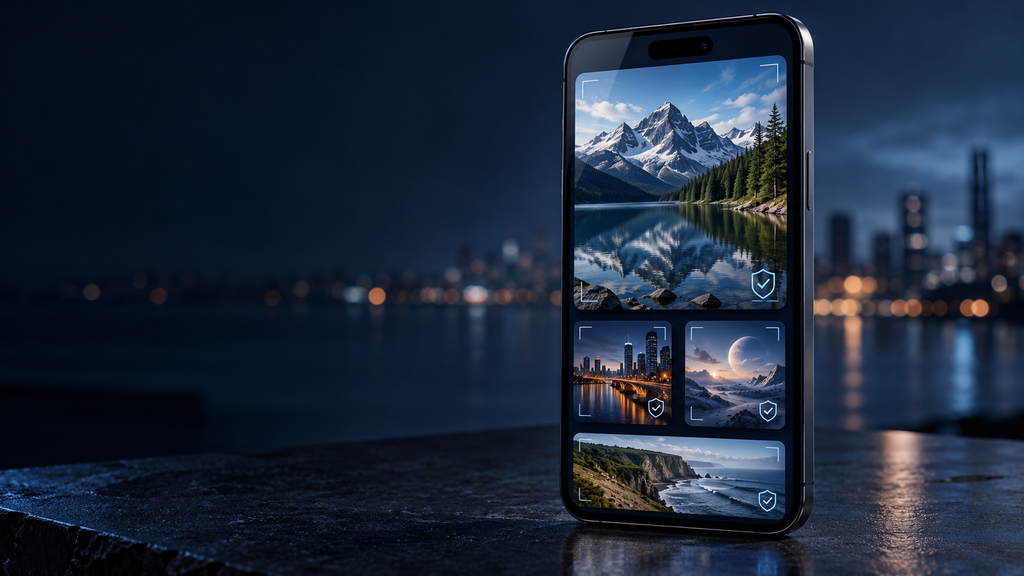
The new initiative is the latest in a series of steps that TikTok has taken in the last year to protect against AI. The company claims it has now watermarked over 3 billion videos as AI-generated content (AIGC) using Content Credentials, creator labelling tools and invisible watermarking.
TikTok Wants Users to Know When AI Is Behind a Video
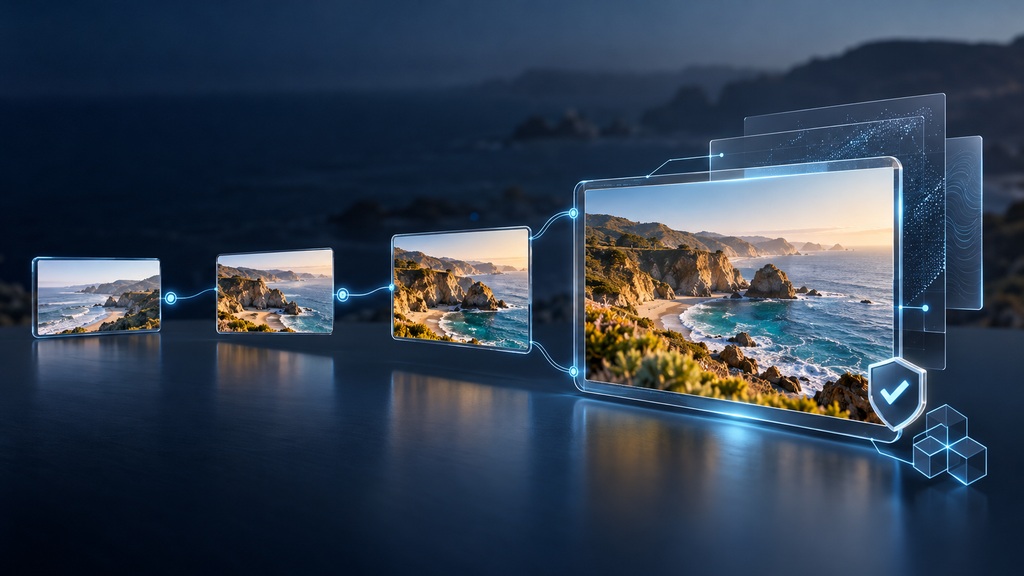
TikTok was added to the C2PA Steering Committee in July, where it transitions from general membership to a group of people that will help shape the development and adoption of C2PA’s Content Credentials standard. According to C2PA, Content Credentials is a way to communicate information on the origin of digital content and its manipulation. The discussion of technical terms is more complex than the concept itself seems at first glance to those who are not used to using TikTok. Consider it a digital history record that goes with content. It can assist in determining if a piece of media has been created or heavily modified through AI and report the changes and origin.
This year, TikTok announced it was the first video platform to implement C2PA Content Credentials two years ago, and is leveraging that experience to assist in driving the adoption of the standard across the industry.
The growing availability of AI video generators makes clear labeling increasingly relevant for viewers.
The Bigger Problem Is AI Spam, Not Just Deepfakes
In an effort to tackle more frequently spammed accounts, the company claims it’s testing new detection methods that focus on targeted, AI-generated spam that might have more negative impact in particular regions. The tests include information about politics and current events, financial advice, medical information, and more.
The total number of fake accounts removed is a testament to the larger scale of the issue of platform integrity, with TikTok reporting the removal of over 86 million fake accounts during the first three months of 2026.
But it’s not just about whether one particular AI video can fool one person. Generating a lot of low-quality synthetic content can also drown out original creators and impede users from accessing reliable information.
TikTok Is Putting More Focus on AI Literacy
The company has worked with organizations including NAMLE and AI expert Henry Ajder on a guide designed to help people use AI tools responsibly. TikTok has also launched an in-app hub where users can learn practical skills for identifying AI-generated content when searching for AI-related topics.
TikTok says its AI literacy program, launched in November 2025, has generated more than 200 million views for content created with expert organizations, while the company has committed more than $4 million to the effort.
The Real Test Will Be Whether These Signals Keep Up
TikTok is getting more sophisticated with its offerings: Labeling, Content Credentials, invisible watermarks, detection systems, and user education are all being leveraged, not as a single technology.
This is important with AI-generated media because it can be copied, edited, and uploaded to other platforms, which means that the labels might be removed. One of the reasons TikTok is implementing invisible watermarking in 2025 is because it’s aimed at making the signals from AI difficult to remove.
However, with transparency tools, not all AI-generated videos will be accurately identified. The new measures on TikTok are being tested and expanded, and will have to be evaluated based on how effective these technologies will be, as AI-generated content will continue to grow.
The biggest difference for the users will be that there will be no new label or detection system. TikTok is shifting toward a place where it’s obvious that AI was used to create the content is part of the content itself.
Our Runway vs Kling AI comparison explores the video-generation tools behind this changing creative landscape.